The Length Of Time Does Drug Detox Take? Comprehending the 5 to 10 Day Timeline
When somebody initially starts searching for assistance, among the very first concerns is generally the most useful one: the length of time is this going to take?
That question matters for obvious reasons. Individuals are trying to understand work, household, transport, insurance, worry, and the simple truth that withdrawal can feel overwhelming before treatment even begins. A vague answer is seldom helpful. What the majority of people want is a real timeline they can picture.
A frequently mentioned window for drug detox has to do with five to 10 days. At Recreate Behavioral Health of Ohio in Gahanna, Ohio, that is the common detox and withdrawal management period the facility describes, with the important caveat that timing depends upon the compound included. That range works due to the fact that it is concrete, however it ought to not be treated like a stop-watch. Detox is not a single, similar process for each individual. It is a clinically supervised period of stabilization, and the specific speed can drug detox vary.
Understanding what that five to ten day window actually suggests helps people prepare much better, ask smarter concerns, and technique treatment with less surprises.
What the 5 to 10 day timeline actually refers to
The 5 to ten day duration usually describes the severe detox phase, the stretch of time when an individual is kept track of as their body adjusts after stopping alcohol or drugs. At Recreate Behavioral Health of Ohio, detox is described as medically monitored all the time, with monitoring of crucial signs, medications to reduce withdrawal symptoms, support for nutrition and hydration, and psychological support throughout the process.
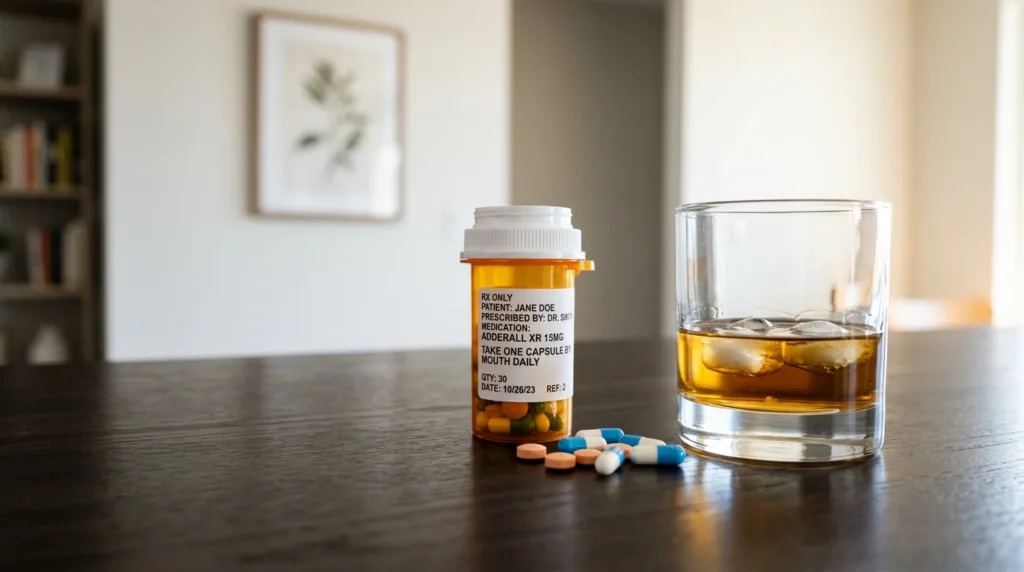
That difference matters. Detox is not the whole of recovery. It is the very first phase, typically the most physically extreme phase, and the one developed to assist an individual get through withdrawal as securely as possible. If someone hears "5 to ten days" and presumes they will be fully recuperated by day 6, they might feel discouraged when they still need treatment and support later. If they hear "detox" and think of nothing more than being left alone in a room up until the worst passes, they may prevent getting help completely. Neither image is accurate.
A better method to consider it is this: detox is the duration when the instant medical and physical effects of stopping a compound are handled, not the point at which treatment is finished.
Why detox length is not identical for everyone
Even when a center gives a normal variety, that number is still a variety. Recreate specifically keeps in mind that the period depends upon the substance. That simple expression brings a lot of weight.
A person detoxing from alcohol might have a various course than somebody detoxing from opioids. Somebody utilizing fentanyl might have a different experience than somebody using another opioid. Beyond the substance itself, two individuals who appear comparable on paper can still move through withdrawal in a different way. In treatment settings, that is one of the clearest tips that recovery work is scientific, not mechanical.
Several aspects can shape how long drug detoxification takes:
- the substance involved, such as alcohol, opioids, or fentanyl
- the need for medication to lower withdrawal symptoms
- the person's medical monitoring requirements during withdrawal
- how well hydration, nutrition, and rest are maintained
- whether the person is steady enough to shift to the next level of care
Those are not just administrative information. They affect how a treatment group watches an individual, how symptoms are managed, and when somebody is prepared to get out of detox and into the next stage of treatment.
The function of medical guidance during detox
One of the most vital parts of the timeline is not the variety of days itself, but what takes place during those days.
At Recreate Behavioral Health of Ohio, detox is medically monitored 24/7. That includes tracking important indications, using medications when appropriate to minimize withdrawal symptoms, and offering hydration, nutrition, and psychological support. In plain terms, this suggests detox is an active treatment process, not passive waiting.
People sometimes presume a shorter detox is always better. In practice, what matters more is whether the person is securely stabilized. A medically supervised program can react to changes in how someone is feeling, observe whether symptoms are enhancing, and make decisions based on the individual in front of them rather than forcing a rigid schedule.
That can be particularly reassuring for families. A spouse, parent, or adult kid typically wants to know what personnel will actually do throughout detox. The response is that personnel are not simply checking whether a person is still in the structure. They are tracking how the body is responding, handling symptoms, and supporting basic physical needs that are easy to ignore when somebody is in withdrawal.
Nutrition and hydration sound simple, however during detox they are not minor comforts. They become part of stabilization. Emotional support also matters more than many people expect. The early days of withdrawal can bring worry, embarassment, agitation, unpredictability, and moments when an individual is tempted to leave treatment before the procedure has had an opportunity to work. Human support in that window can make a meaningful difference.
Alcohol, opioids, and fentanyl, why substance type changes the picture
Recreate's detox services particularly discuss alcohol, opioids, and fentanyl. That works due to the fact that it reflects a real-world reality: detox does not look the same throughout substances.
Without claiming a one-size-fits-all timetable for each drug, it is fair to state that different compounds produce various withdrawal patterns and various medical needs. That is exactly why medically monitored detox exists. A person entering treatment for alcohol might need a various withdrawal management plan than a person going into for opioids. Someone utilizing fentanyl might require attention that shows that drug's particular results and withdrawal course.
This is where individuals can get tripped up by stories from pals or online forums. Someone may state, "I was carried out in 4 days," while somebody else says, "It took me over a week to feel stable." Both accounts might be true for those individuals, however neither ought to be utilized as a guarantee for the next person.
A treatment center that uses medication-assisted treatment as part of detox and withdrawal management is likewise acknowledging that comfort and security matter. People are frequently more willing to get in care when they understand the plan is not simply to hard it out. That expectation can alter whether someone seeks aid early or hold-ups till things become more dangerous and chaotic.
What a typical day in detox is actually about
People frequently think of detox as significant, however much of it is repetitive by style. In a well-run setting, repetition is a feature, not a flaw. Staff inspect how a person is doing, monitor physical status, respond to signs, provide meals and fluids, provide emotional support, and help the individual move from one tough hour to the next.
That can sound plain on paper. In practice, it is precisely what lots of people require. When somebody has been utilizing alcohol or drugs greatly, life frequently ends up being irregular. Sleep might be off. Consuming may be off. Mood might swing from feeling numb to panic. The very first days of detox begin to reestablish steadiness. It is hard to overstate how crucial that is.

There is also a mental shift that takes place during this time. At the beginning, many patients are focused on immediate discomfort. By the middle or later part of detox, the conversation often begins to broaden. Individuals begin asking what follows this. They might begin considering domestic treatment, outpatient choices, work leave, family interaction, or whether they are lastly all set to make a longer-term change.
That shift in thinking is one factor a linked continuum of care matters.
Detox is the beginning point, not the endpoint
Recreate describes a continuum of care that can include residential inpatient treatment, extensive outpatient programming, outpatient care, and peer support. It also notes that detox and rehab services are provided in one center, which permits clients to move from detox into residential treatment without altering places or care teams.
That may sound like a logistical information, however anyone who has worked around addiction treatment knows how essential that continuity can be. The handoff after detox is among the moments where individuals are most vulnerable to dropping out. They might feel physically better and choose they no longer need treatment. They may be exhausted and resistant to another admission action. They may simply not wish to begin over with a brand-new location and a brand-new staff.
Being able to shift in the exact same facility reduces friction. It eliminates a typical barrier at precisely the minute individuals are attempting to keep momentum. When somebody has actually just made it through a number of days of withdrawal, even a small disturbance can feel big. Keeping the area and clinical team consistent can make the next action more manageable.
That is also why the five to 10 day timeline need to always be understood in context. An individual might complete detox in that window and still be at the very beginning of treatment general. That is not failure. That is typical. Detox clears the instant hurdle of withdrawal. Ongoing treatment addresses the patterns, triggers, and habits that resulted in substance usage in the first place.
Why individuals must take care with home detox assumptions
When people ask for how long detox takes, they are often truly asking a various question: can I simply make it through this at home?

The appeal is easy to comprehend. Home feels personal. It feels less expensive. It feels less frightening. But medically monitored detox exists for a reason. Recreate particularly explains ongoing guidance, monitoring of essential indications, medications to decrease withdrawal signs, and assistance for hydration and nutrition. Those are not luxuries. They are part of safe care.
A person thinking about detox in your home may underestimate how quickly symptoms can end up being difficult to manage. They might likewise overestimate their ability to stay dedicated as soon as pain magnifies. Families typically undervalue this too. An enjoyed one may best regards say on Monday morning that they are prepared to stop, and by Monday night feel desperate to utilize once again just to stop feeling unwell.
In medical settings, treatment teams expect that battle. They are prepared for it. That preparation is one of the reasons clinically monitored detox can be so valuable.
A practical method to consider the timeline
For many people, the five to 10 day variety is best comprehended as a working estimate. It gives enough structure to prepare for time far from daily commitments, but still leaves room for the truths of personalized care.
If someone is setting up treatment, a useful frame is to prepare for the severe detox window and then prepare mentally for continued care afterward. That implies talking through logistics early, including transport, childcare, work communication, and insurance coverage questions. Recreate states that it accepts most significant insurance coverage strategies and provides insurance coverage verification help, which can assist families and patients sort out among the biggest practical stressors before admission.
These are the kinds of concerns worth settling before detox begins:
- how long should I reasonably plan to be away for the detox phase
- what takes place if I need treatment after detox ends
- can I shift into property or outpatient care without altering facilities
- what insurance confirmation assistance is available
- who ought to my household contact if they require updates about next steps
Those concerns do more than arrange documents. They reduce unpredictability, which in turn can decrease the panic people feel when they are finally ready to get help.
The worth of one area and one team
Recreate Behavioral Health of Ohio stresses that detox and rehabilitation services are readily available in one facility. From a patient point of view, that can matter as much as practically any clinical feature.
Changing places after detox may not look like much to an outside observer. For a person who has actually just spent days in withdrawal, it can feel huge. New building, brand-new guidelines, new personnel, new room, new consumption process, new anxiety. Every additional shift produces another opportunity to stroll away.
A single-site model streamlines the experience. The patient does not have to reorient to a various environment just as they are restoring physical stability. Staff already understand the patient's recent course in detox. That continuity can support better communication and a smoother move into property inpatient treatment or another level of care.
Families take advantage of that continuity too. They are often overwhelmed throughout the very first week. Understanding that detox is not taking place in seclusion, however as part of a broader treatment path, can make the process feel more meaningful and less fragmented.
What the timeline suggests emotionally
The plain truths matter, however so does the psychological meaning of 5 to ten days.
For some people, five to ten days sounds long. If they are terrified of withdrawal, even a weekend can feel impossible. For others, it sounds short, particularly if compound usage has shaped years of their life. Both reactions are understandable.
What typically helps is reframing the timeline. Five to ten days is not a promise of immediate transformation. It is a manageable very first period. Long enough to begin withdrawal management with medical assistance, short enough to image and devote to.
That can be effective. Recovery often starts when something lastly feels possible. Difficult, not comfortable, not guaranteed, however possible. A specified detox window provides individuals something to keep when their life may otherwise feel shapeless and out of control.
When timing matters, clarity matters more
If someone asks, "The length of time does detox take?" The most truthful answer is this: typically about 5 to ten days, but it depends upon the compound and the person's scientific needs.
That answer is not incredibly elusive. It is responsible.
At Recreate Behavioral Health of Ohio, the detox procedure exists as clinically monitored all the time, with withdrawal management, medication support when suitable, and a direct path into additional treatment in the very same center. For individuals dealing with alcohol, opioids, or fentanyl, that structure can make the early phase of healing safer and more navigable.
The bigger point is simple. Detox has a timeline, but it is not almost suffering days on a calendar. It has to do with stabilization, security, and preparing for what follows. If five to ten days is the window that gets someone through the door, that is worth taking seriously. It might be the very first bounded duration in a long time that leads someplace better.